Amid multiple attacks from Iran, and continued Israeli and US strikes, there is great uncertainty in the region. Gas and oil prices are rising as QatarEnergy has stopped liquid natural gas production while the Strait of Hormuz is increasingly dangerous.
Mar 2, 2026
Sign up for CorporateTreasurer’s Newsletter
Top news, insights and analysis every Tuesday & Thursday
Free registration gives you access to our email newsletters
The US market will be key to sustain the export-driven growth story observed in Asia, according to economists, however, a Hong Kong-based CFO has concerns about issues in the private credit market.
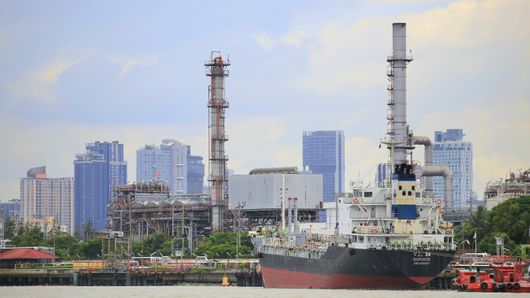
Six months after so-called 'Liberation Day', Asian firms are showing signs of adaption and stabilisation, according to a new trade survey from HSBC. India, Bangladesh, and Indonesia appear to be performing well.
Speaking at the recent APEC conference in South Korea, Citi’s global chief executive officer Jane Fraser, is bullish on further trade ties between the US and Asia, despite tariff uncertainty.
The bank is expecting the economy to slow in the second half of the year as the impact of US tariffs kick in; SMEs and housing loans are of particular concern.
The facility has been designed to help mid-sized Korean shipping firms through time charter agreements; it is being supported by Crédit Agricole, Barclays and OCBC.



.jpg&c=1&h=298&q=80&v=20261020&w=530 "New Asia trade map 'shaping up': survey")


